New World Screwworm: Fact Sheet & SHIC Article 6/10/2026 & USDA NWS Website & SHIC/AASV NWS Webinar (8/4/2026)
New World Screwworm resources for livestock producers and veterinarians are available and continue to be shared widely. The Swine Health Information Center continues to closely monitor the outbreak and provide information for pork producers regarding NWS. Prior to NWS re-emergence in Texas with the first detection in a calf on June 3, 2026, SHIC reported on Mexico cases through global disease monitoring, hosted a webinar on the pest, and developed a swine-specific NWS fact sheet for pork producers and other industry stakeholders.
Swine producers can prepare for NWS by understanding the fly’s behavior and life cycle, identifying production and housing conditions that increase the risk of myiasis, implementing effective biosecurity, environmental, and wound management practices, knowing the response procedures for suspected infestations, and developing an NWS disaster management plan.
Monitoring for clinical signs of NWS in swine remains critical, including nonhealing wounds that appear to deepen, wounds with a foul odor, biting or licking at wounds, depressed behavior, reduced appetite, and visible larvae in wounds. Specific areas to monitor include ear notches or tags, castration sites, docked tails, needle injection sites, tattoos, umbilicus of newborn piglets, and any skin abrasions. Any suspect cases of NWS should be reported immediately to state and/or federal animal health officials.
The USDA website, Screwworm.gov, contains important and useful information for livestock producers, veterinarians and other stakeholders.
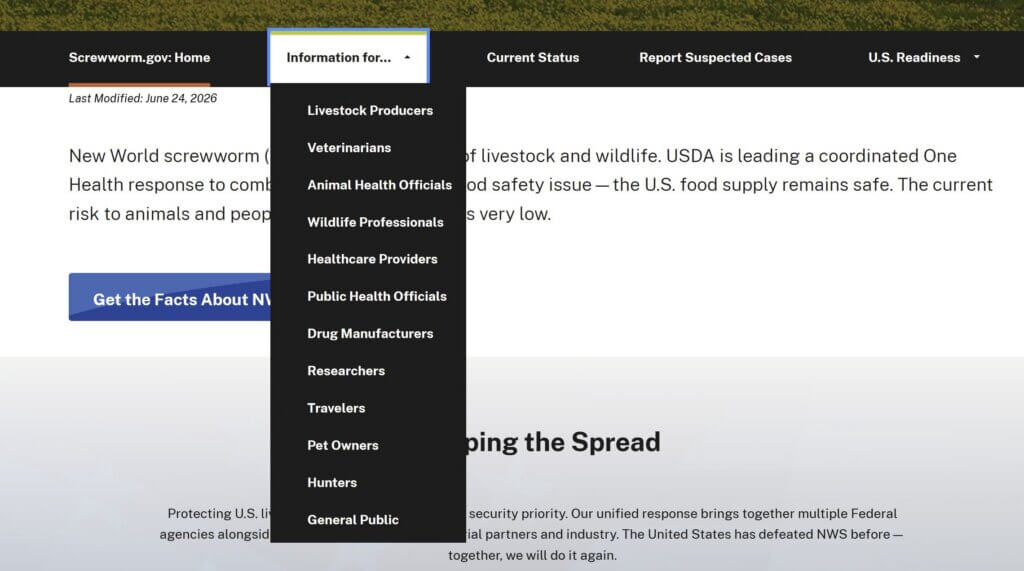
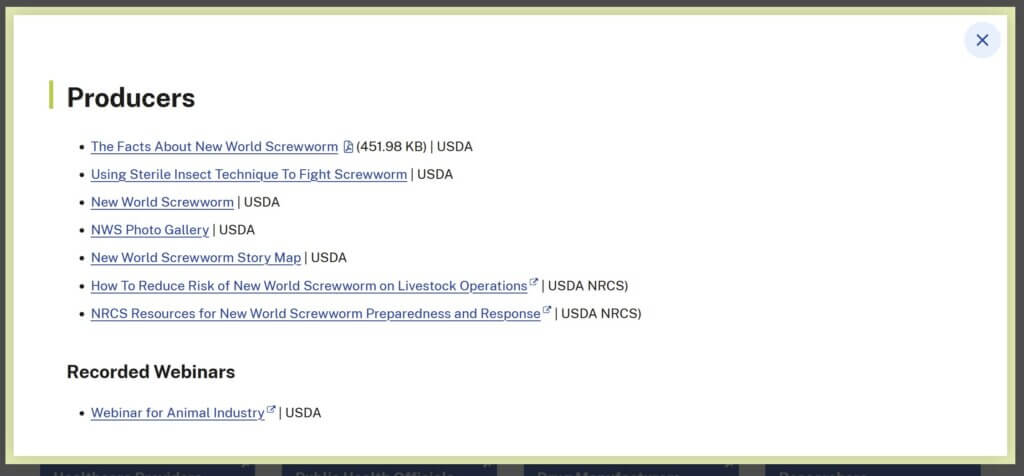
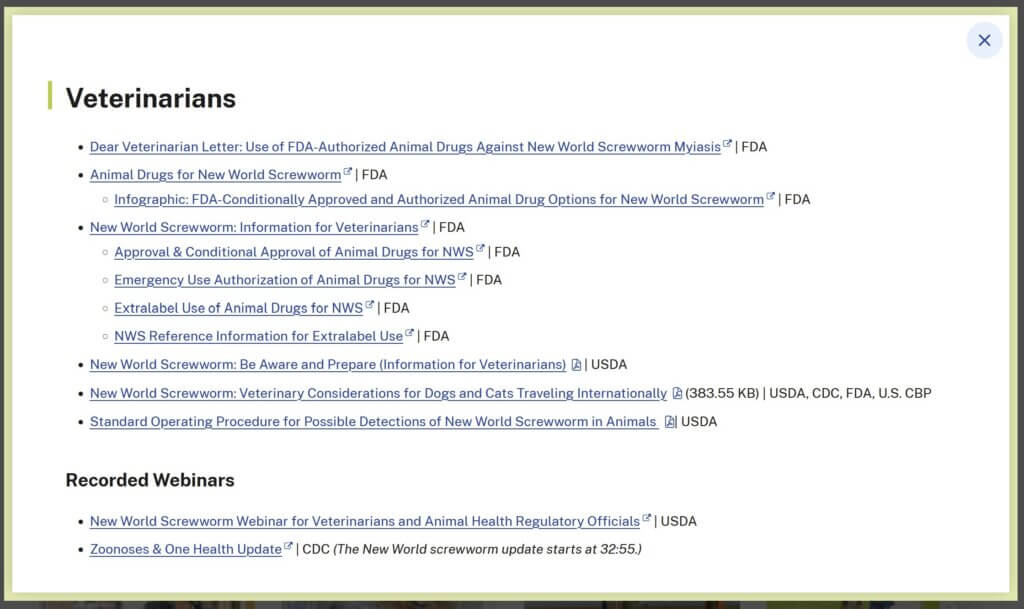
When you click the “Information for…” button on the Screwworm.gov website, you will find a menu of resources for producers, veterinarians, animal health officials, and other stakeholders. By clicking the desired category, you will be directed to relevant information.
Beyond these resources, the website also features the Current Status Dashboard which is regularly updated with new cases listed by date, species, and location along with a map. Potential detections are divided into inactive and active domestic animal cases, wildlife & feral animal cases, and fly trap detections.
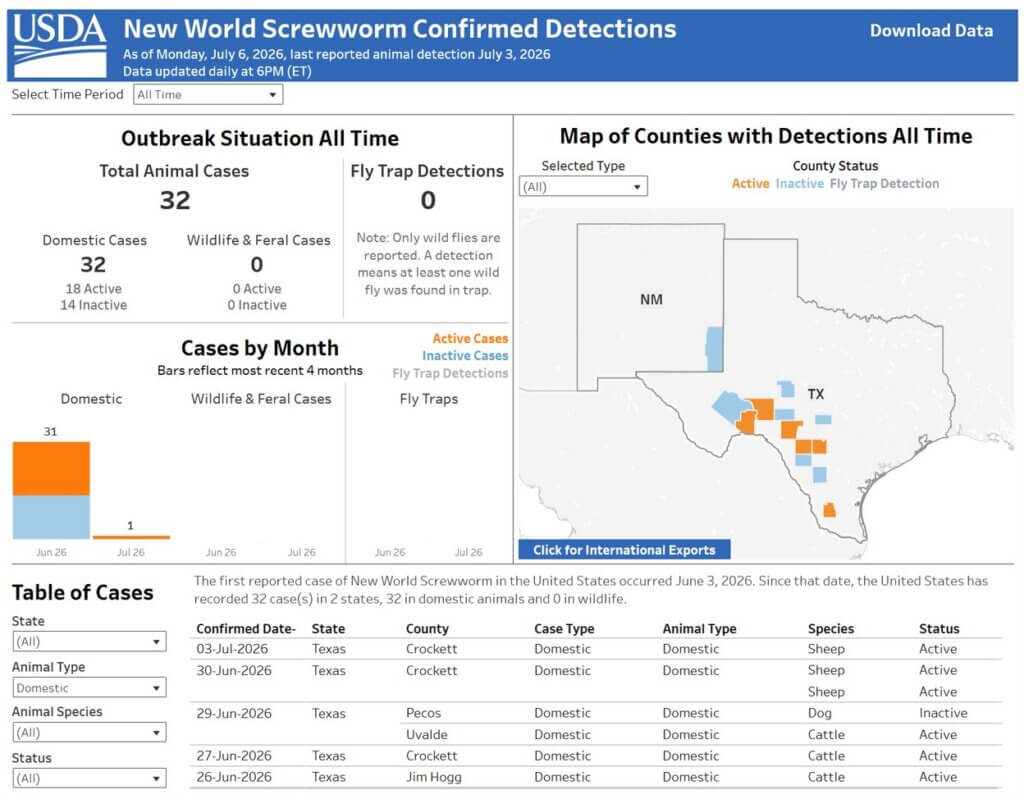
For more information, additional NWS resources are available here:
Visit the Mexican government NWS dashboard here for the latest reporting data.
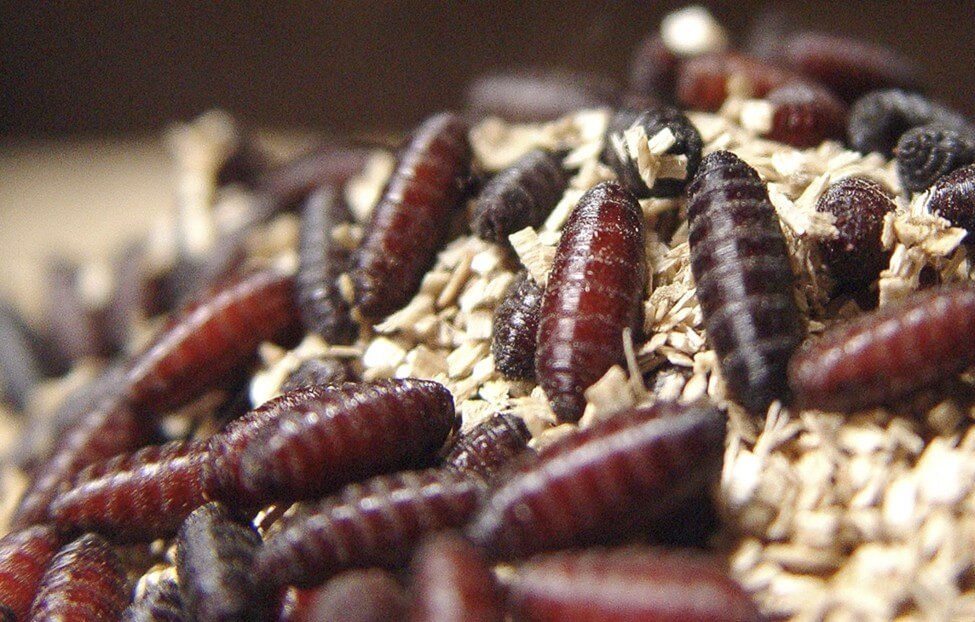
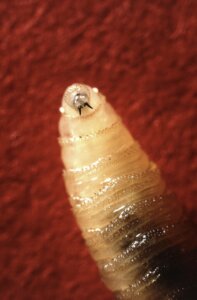
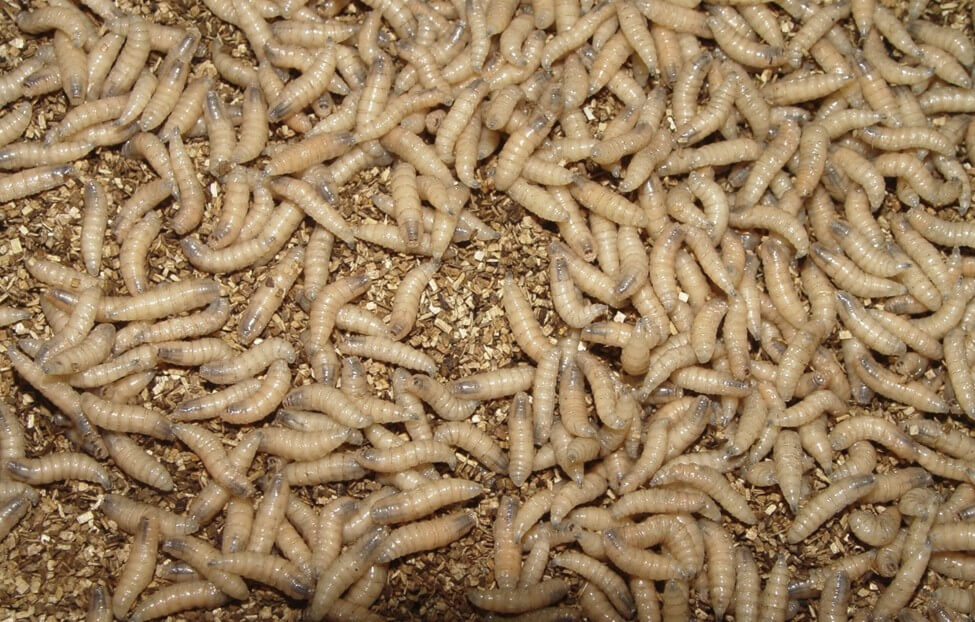
 SHIC NWS Fact Sheet